Text: Agustina Bordigoni
Photos and translation: Silvia Hagge
I am standing on the opposite side of the globe from Zhumadian, Henan, China. In reality, I am writing these lines from Juana Koslay, San Luis, Argentina. I wonder if right now, with a twelve-hour time difference, someone like me is writing about a topic that is diametrically opposed to the subject of this article. If someone, on the other side of the globe, understands exactly the opposite of what follows. The central concept of the book *Antipodes, the Other Side of Argentina* (2022) captivates me from the very beginning: it challenges the starting point from which we typically understand a country’s territory. The antipodes are—as I’ve come to believe since reading the first pages, written both right-side up and upside down—a direct challenge to the concept of national borders. To imagine two connected points on Earth—from and to which one could reach the other by digging a tunnel in a straight line—which are not separated by fences, walls, or immigration checkpoints— also seems to defy logic. My logic—and that of any human being born and raised within a political, territorial, and social organization commonly known as the nation-state. An organization that defines and establishes a power of surveillance over that physical space, but above all, determines who are—and who are not—its nationals.
It is at an airport in the capital, San Luis, on the opposite side of the world from China, that I meet Silvia Hagge, the book’s author, an Argentine woman who has lived outside the country for more than three decades. I came to her through friends whom she had gone to interview at their creative writing workshop (probably drawn in by its name: “Silenciosos Incurables”. (Incurable Silent Ones).
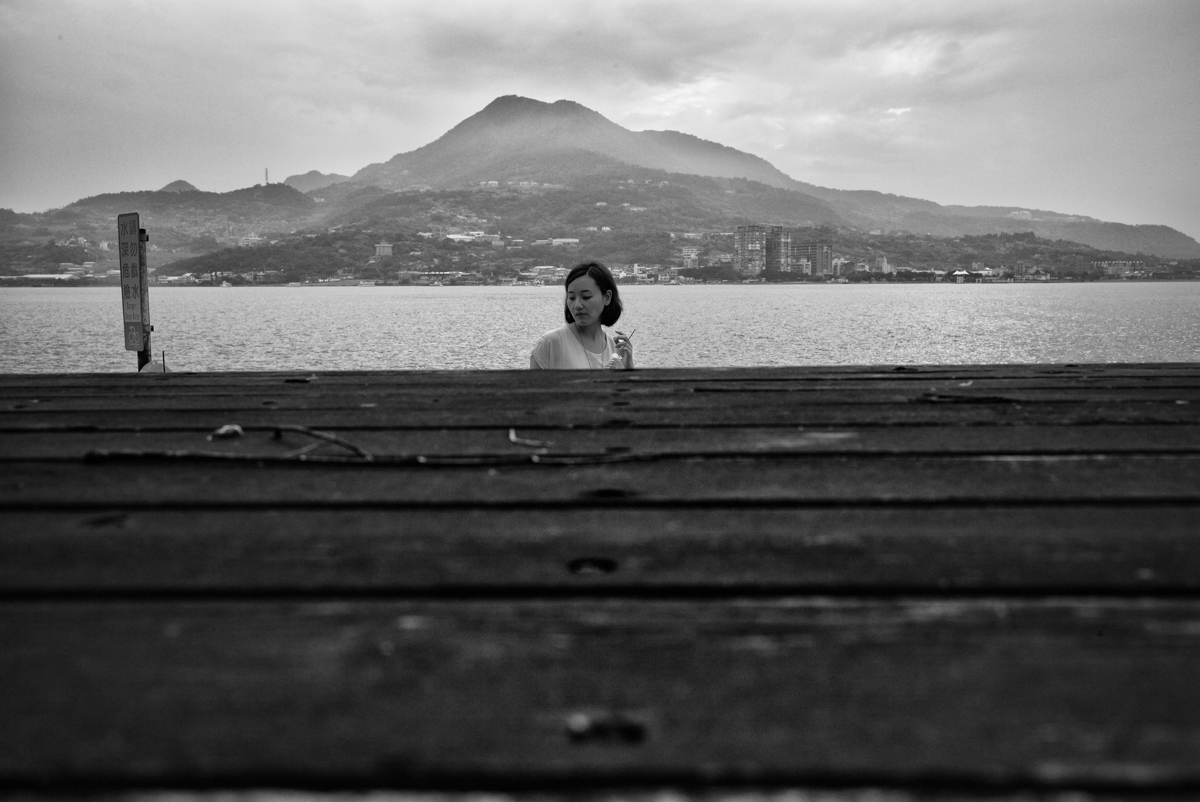
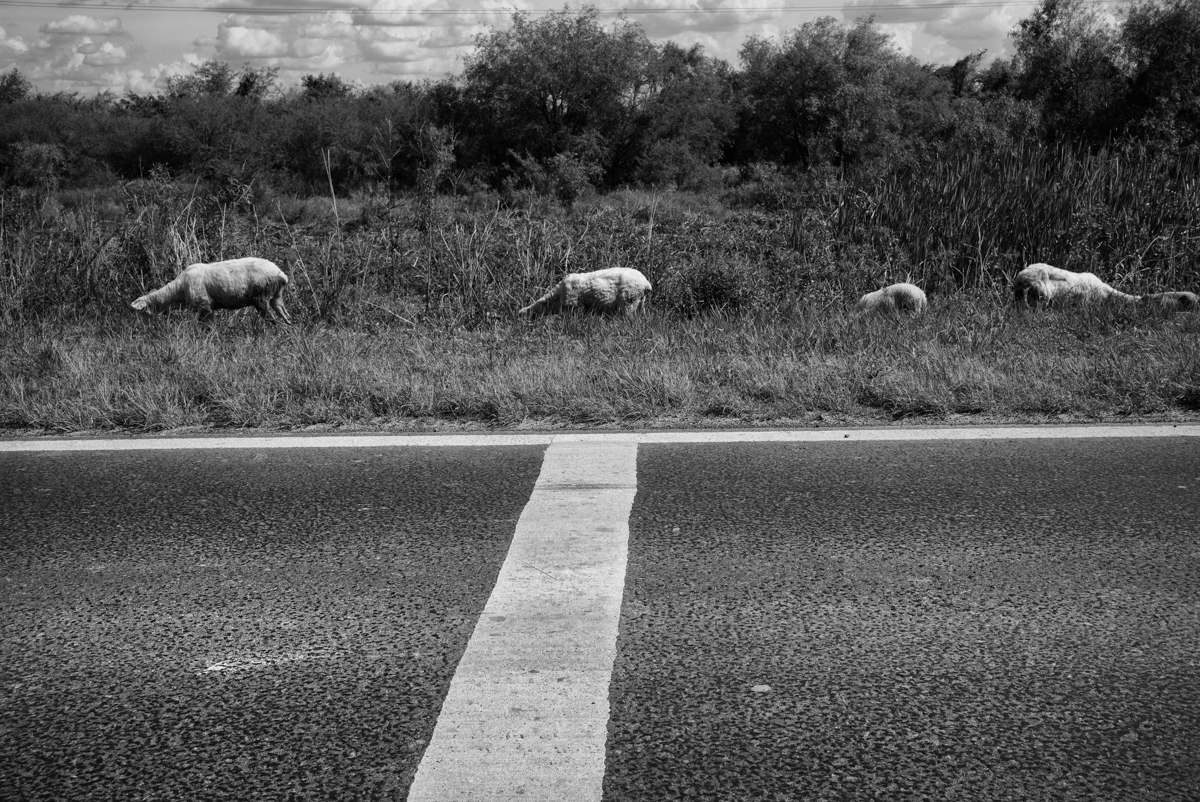
In 2016, during a trip to Taiwan, Hagge discovered that in 1895, Portuguese navigators had named that island “Formosa.” And not only that: she also learned that it was the antipode of Formosa, the province of the same name in her native country. A contradiction—or perhaps not.
When Silvia began researching the topic, she also noted that Argentina is one of the few countries in the world with antipodes on the mainland (they are found in Taiwan, China, Mongolia, and Russia).
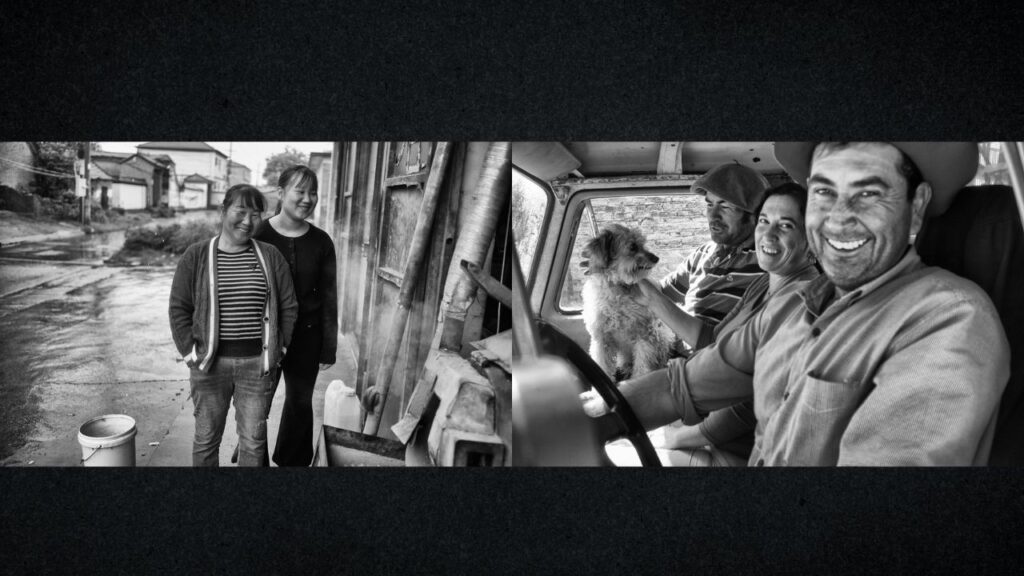
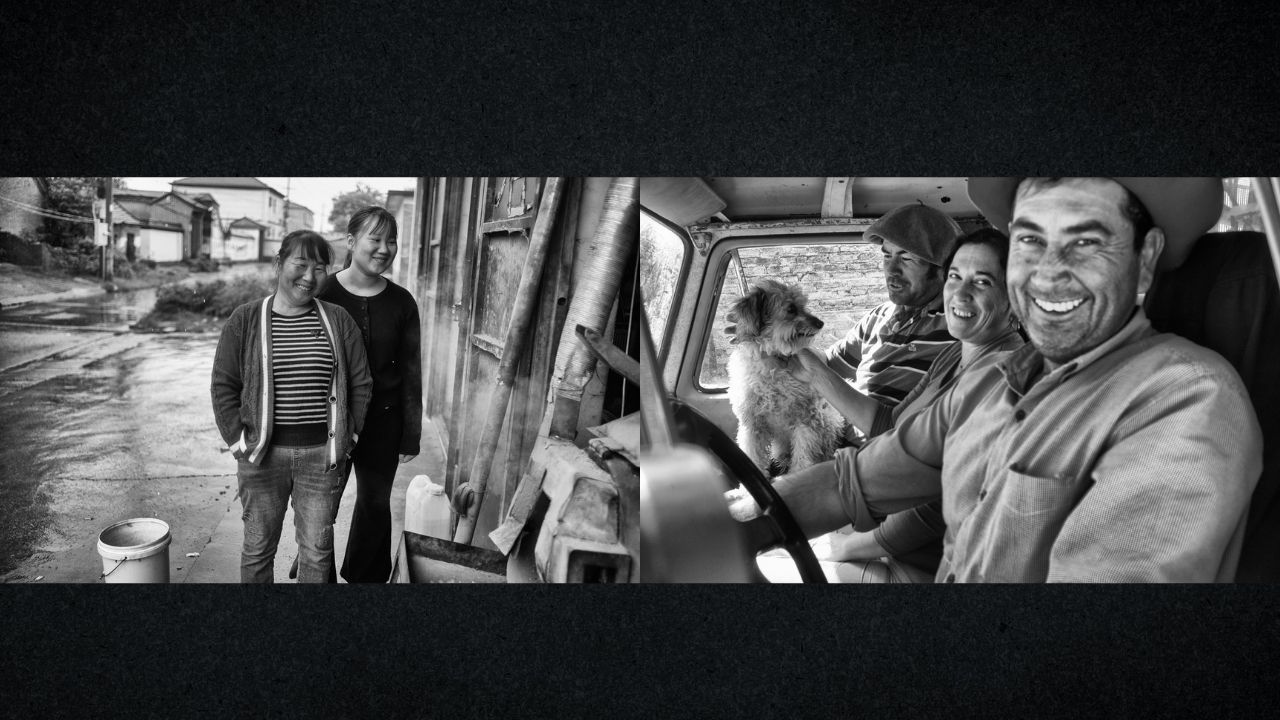
Since then, Hagge has devoted herself to visiting towns on opposite sides of the world. She searches for stories, writes about them, and takes photos. What she finds—as can be read in her first book—are stories of people from small towns: people who have lived in the same place their whole lives, people who emigrated, and even some who traveled to settle on the other side of the world from where they came from.
“I came to San Luis for a photography project I’ve been working on for several years. I visited towns in the Argentine provinces of Buenos Aires and La Rioja, all of which have antipodes in different parts of China,” she says. In this Argentine province, she collected stories from towns such as San Luis capital city, Candelaria, Unión, Quines, La Carolina, and Villa de la Quebrada—all of which have antipodal counterparts in Asia and whose stories will be featured in her upcoming book and/or documentary.
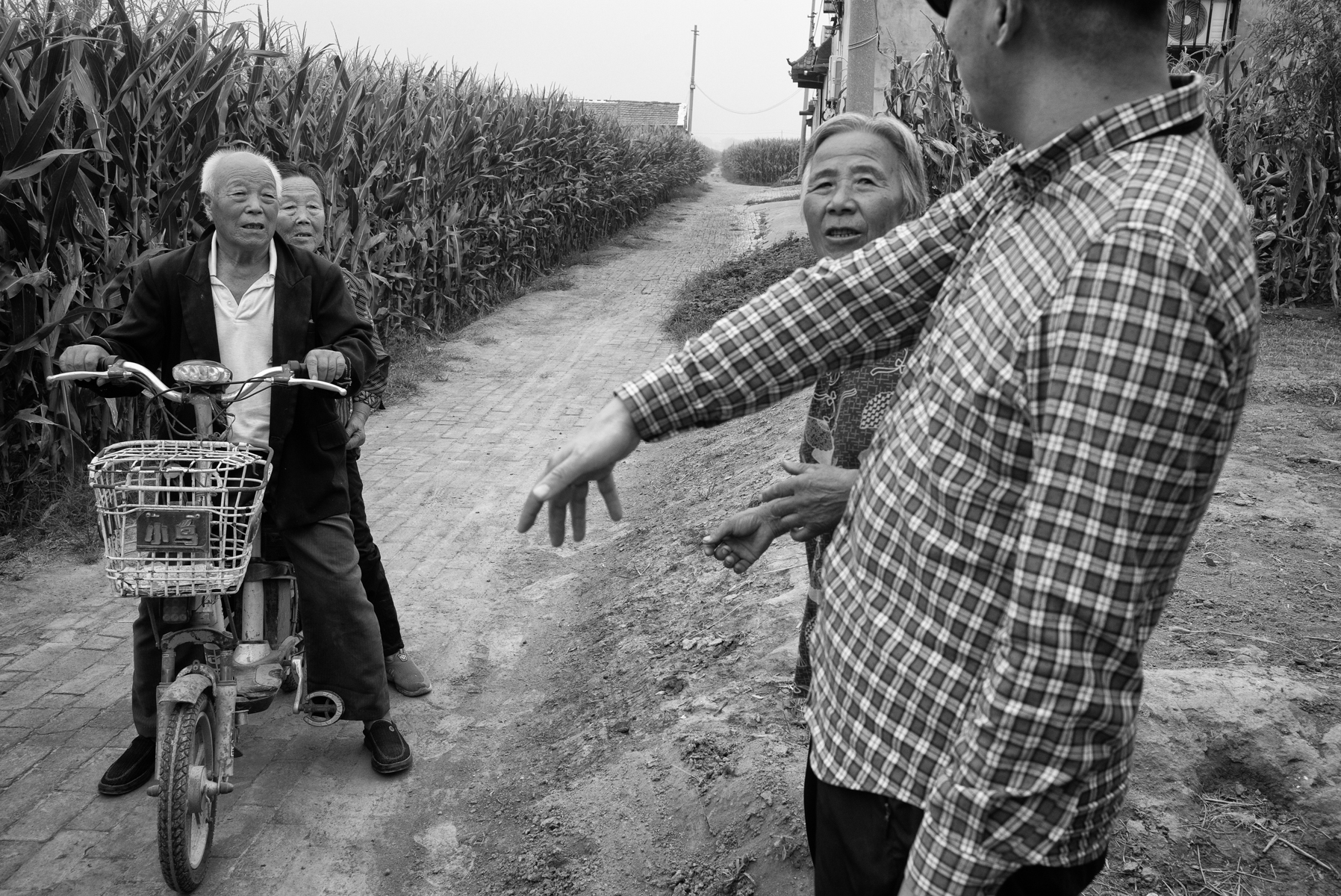
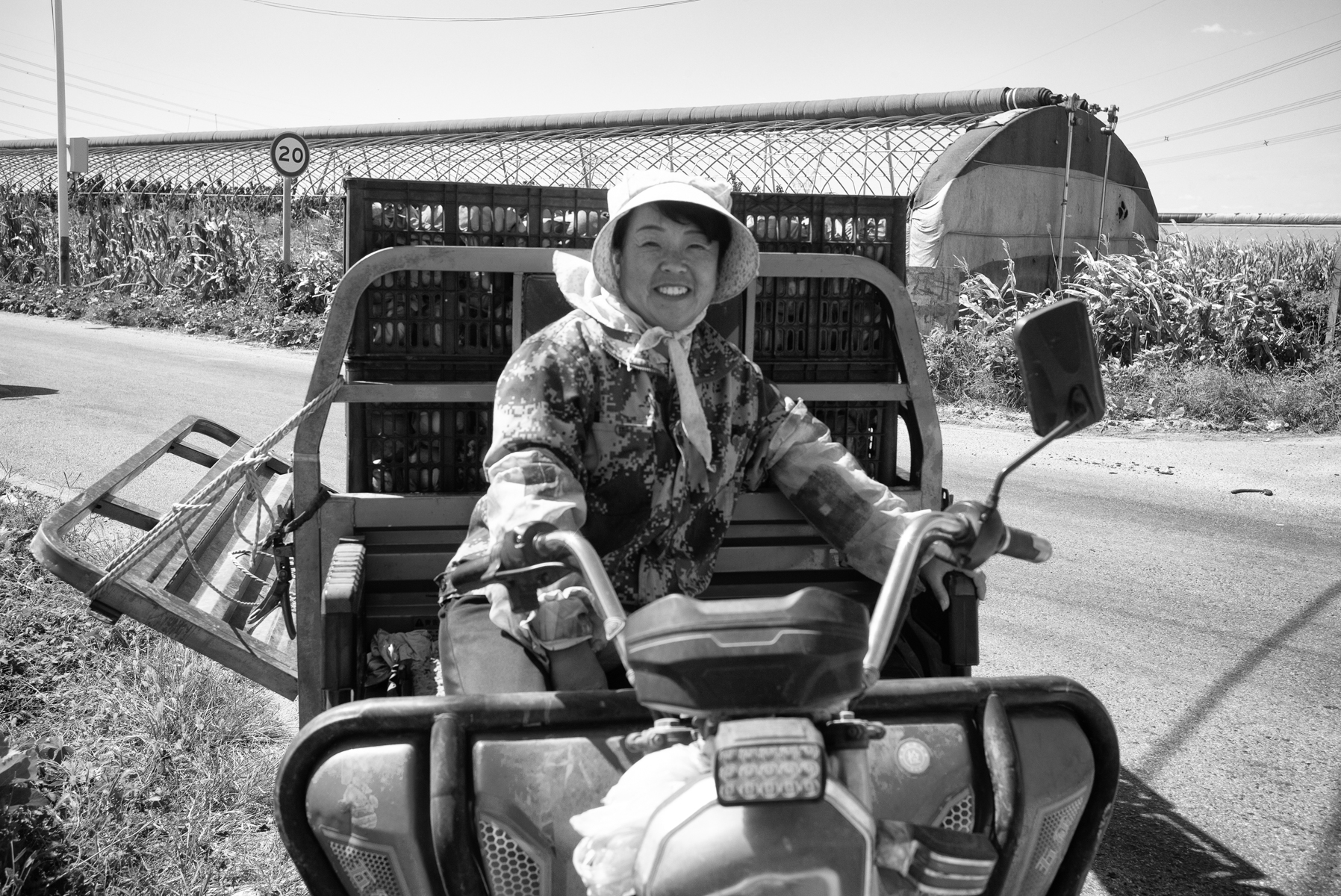

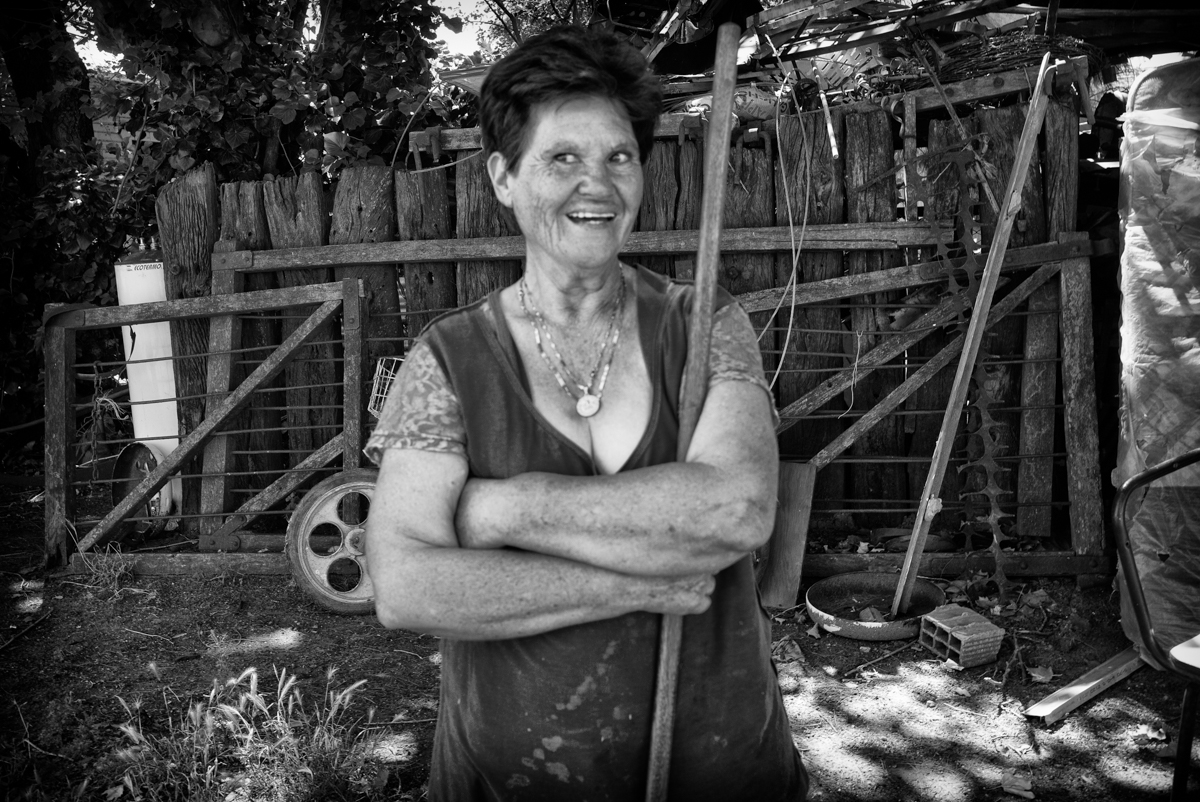
“The stories I want to tell aren’t tragic, because we already have enough tragic stories in the news,” she says. During our interview, she pulls some maps out of her backpack and shows me photos of schools, buildings, people, and places she visited—in many cases, accompanied by a local guide. “They’re stories of resilience, of people who lead very hard lives and who suddenly have something truly beautiful to share.” She explains, for example, that in some villages in China, only the elderly and children remain. Grandparents care for their grandchildren because their parents have to go out to work or study and don’t have the time required to raise them. “They see them twice a year,” she adds as he shows photographs that prove it. Photographed in China, the reality is not much different from that in a country like Argentina and other parts of the world where economic conditions force a significant number of adults to spend much of the day away from their children.
This phenomenon was extensively documented and studied in China as “left-behind children,” a reality that began to intensify in 1990 due to population growth and the migration of workers from rural areas to cities: according to the 2020 census, there were 67 million children in this situation. In Argentina, at least seven out of every ten children and adolescents are left in the care of their grandparents or another relative while their parents work.
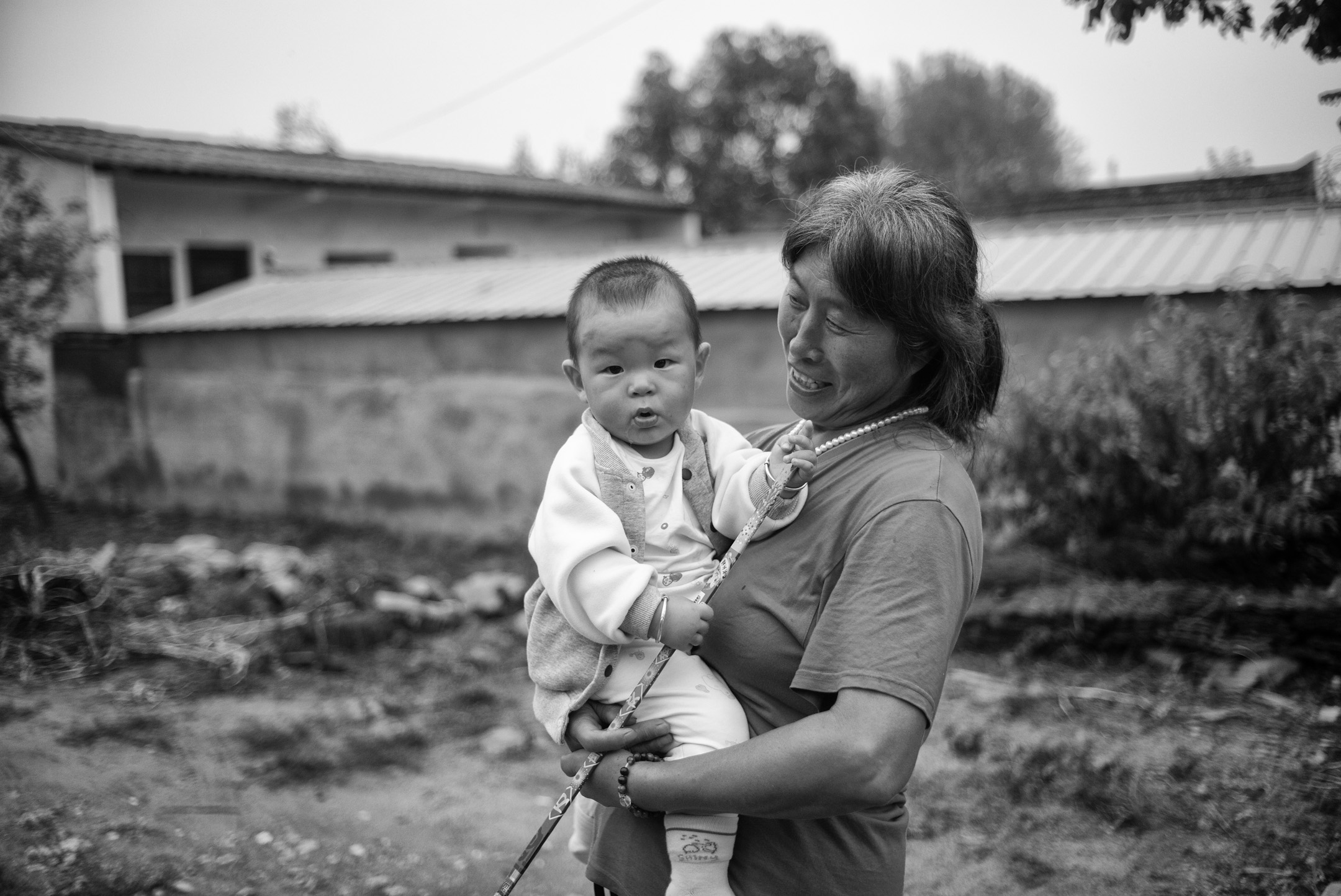
Throughout the talk and her book, it becomes quite clear that the interior of the antipodes may be the opposite of what we consider to be the opposite. In the middle of the conversation, the person to whom she had rented a car to tour the towns in the interior of San Luis appeared: although she was used to long trips, Silvia had forgotten to pack her credit card for this one, so a student from the writing workshop—with whom she had barely exchanged a few words—agreed to act as her guarantor. “There are good people everywhere. Remote villages are beautiful all over the world. The day can end with you chatting with people who welcome you and eating with them”—spending time with strangers whom she remembers in such detail that they don’t seem like strangers at all. This is what she has experienced—and describes—in places that are diametrically opposed yet,
at the same time, very similar in their behavior: encounters with families who offer her a place to shelter from the rain or have a meal, who prepare traditional dishes from Taiwan or Formosa for her. Travel companions who sometimes leave the reader confused: on which side of the planet is the protagonist?
Aside from a few specific details, there comes a point when it becomes difficult to tell whether the story is set in Laguna Blanca, Siete Palmas, El Espinillo, Misión Tacaaglé, General Manuel Belgrano, or their antipodes: Keelung, Jinshan, New Taipei, Taoyuan, or Piao Lu Mu Park.
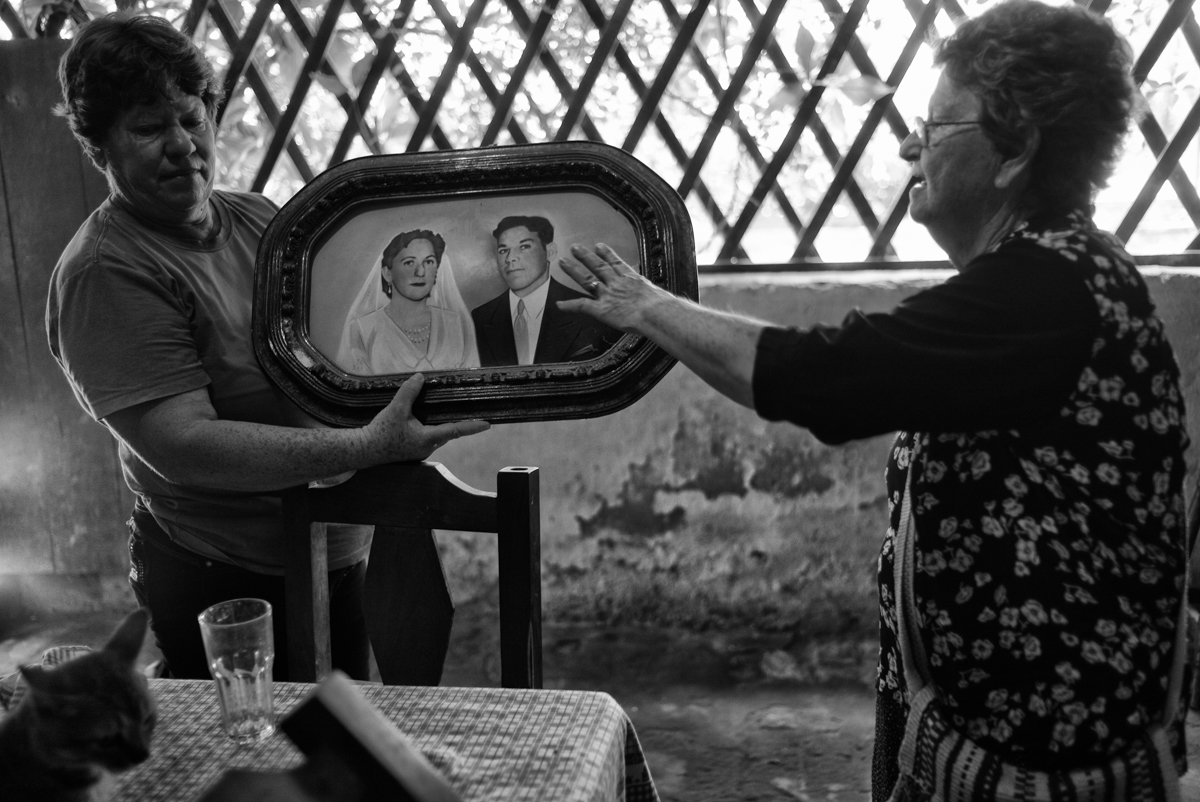
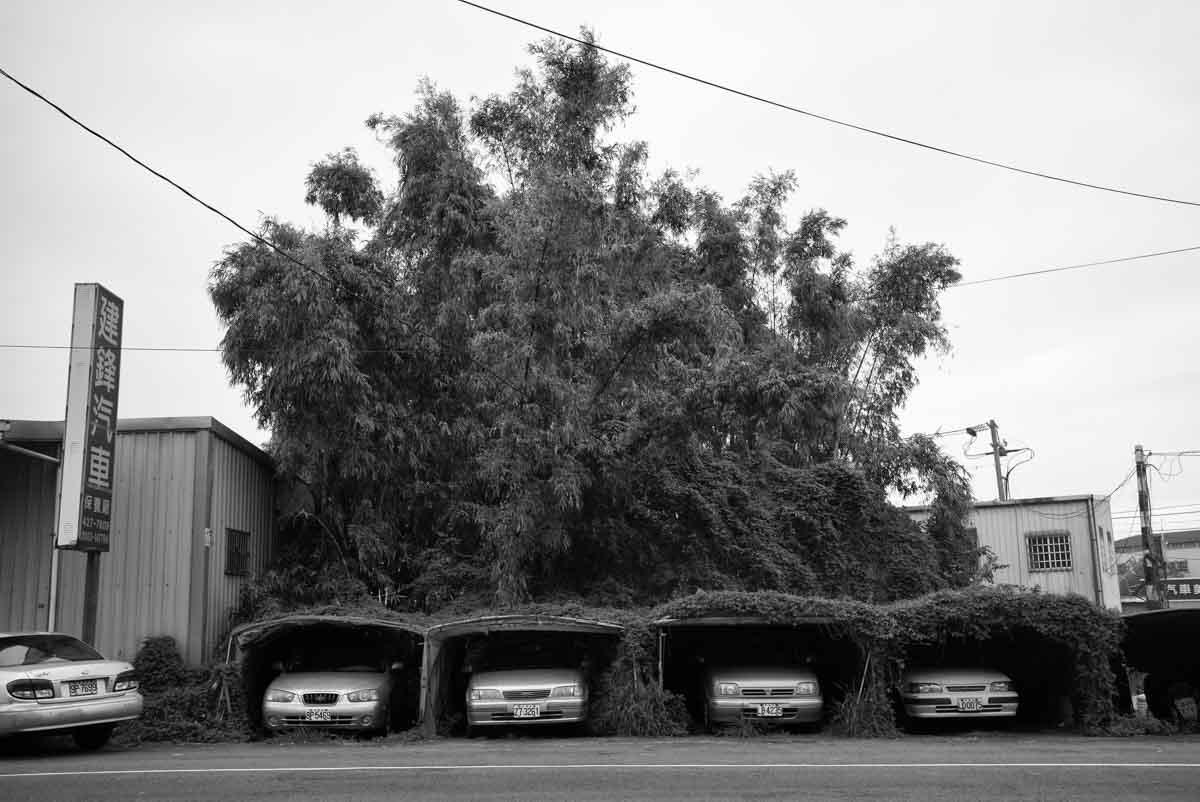
Silvia’s story is tied to migration in the traditional sense of the term. When she left Argentina, she did so for work and lived in Singapore for more than two decades. Now, as a nomad based in France, in addition to traveling to the Antipodes, she visits Greece once a year to volunteer with an organization called Melissa, whose goal is to build a network of migrant and refugee women who support one another and which offers workshops in photography, writing, and painting, among other activities. She herself led a workshop on creating works of art from negatives: the reverse of what a camera captures.
In Greek, “Melissa” means “bee.” It’s hard not to think of bees as inhabiting political, social, and community organizations such as nation-states or, in this case, beehives—even though the latter have no immigration laws or borders.
So I realize that the lines can become blurred depending on the occasion or the starting point. And that, no matter where on Earth we find ourselves to experience and recount a life, everything may end up right where it began.
“Choose two lines of longitude and latitude and move along them to measure certain elements, quantities, and conditions. In your measurements, pay particular attention to changes and constants, similarities and differences along the two lines (…) The purpose of this
Antipodas: Proyectos para una nueva cartografía (Antipodes: Projects for a New Cartography), Teresa Stoppani, 2007.
exercise is to help you grasp the scale of the world, to reconsider it in a way that is no longer tied to ideas of nationality, borders, or racial divisions.”
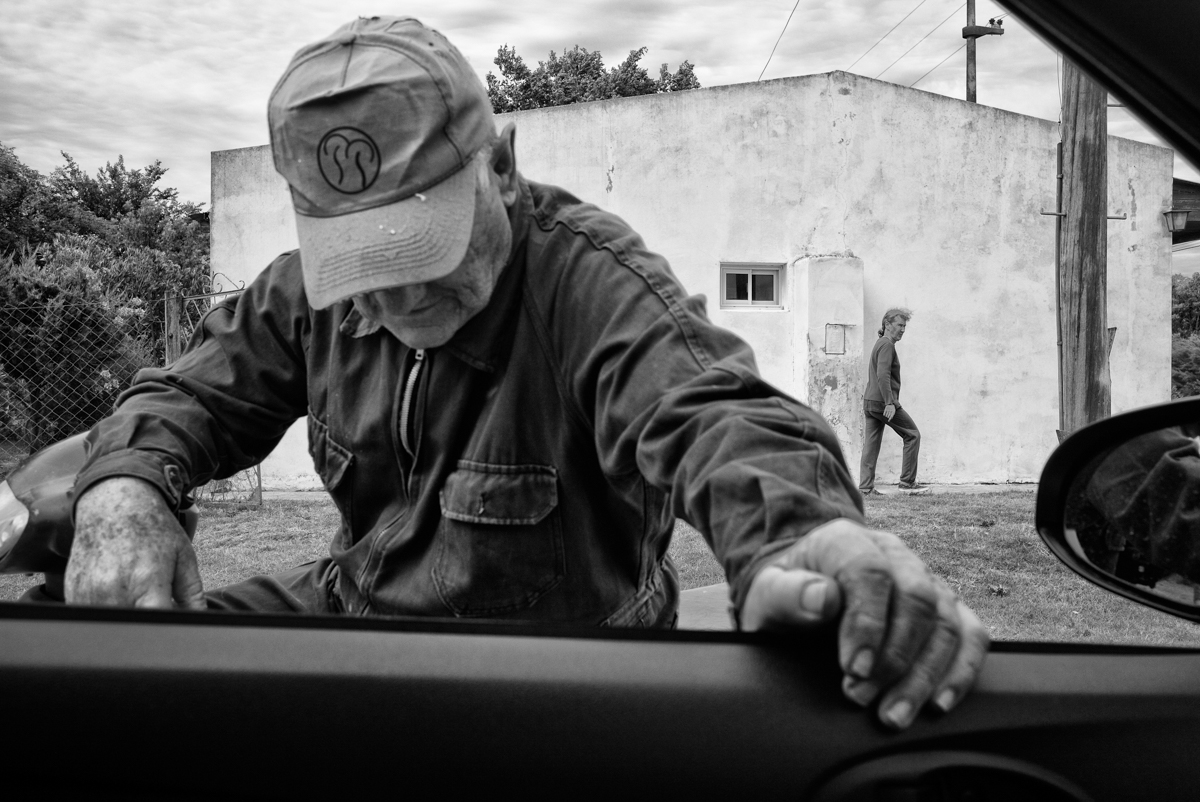
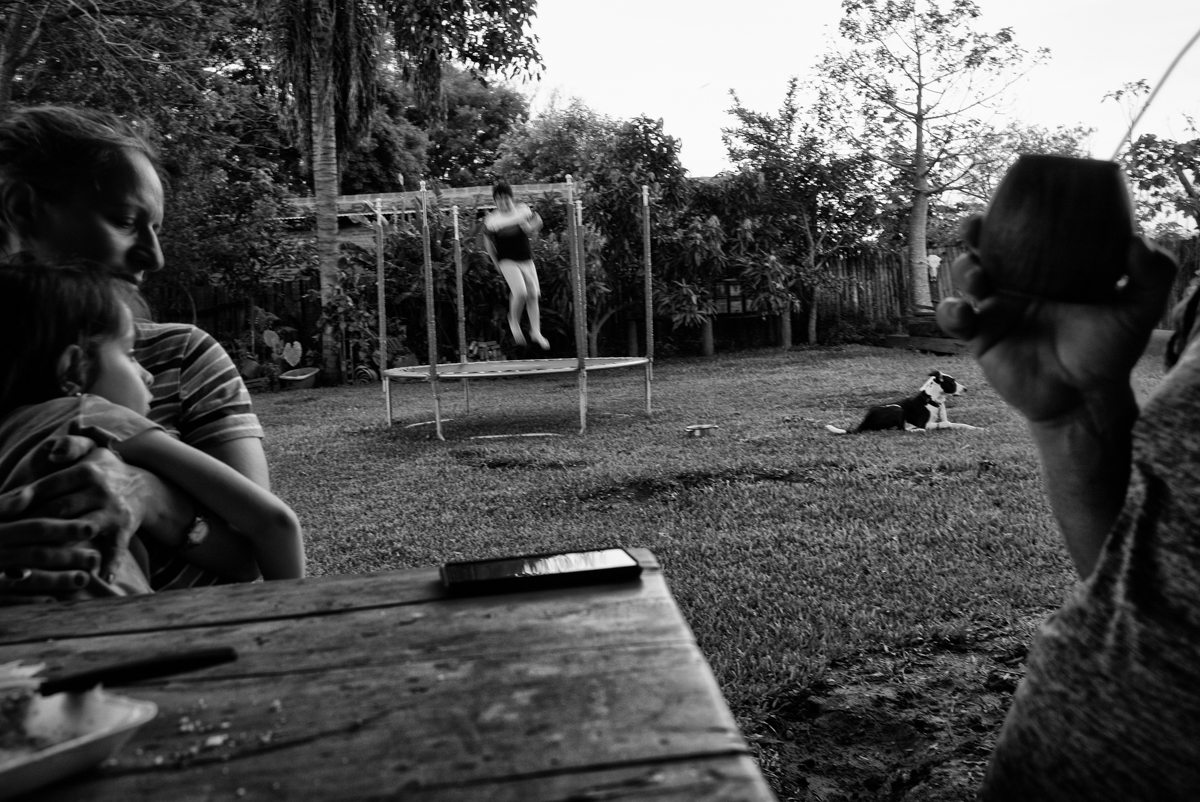
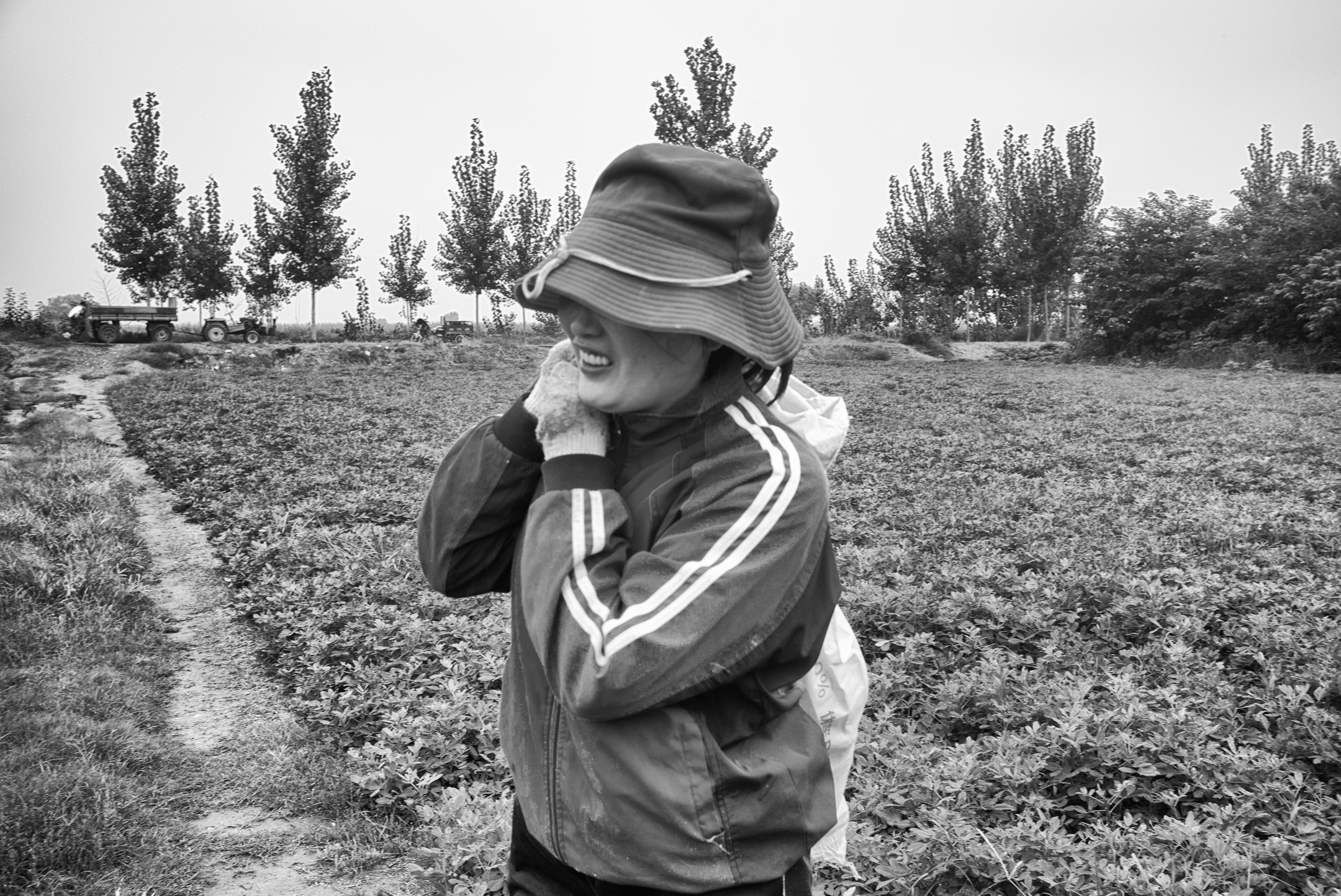
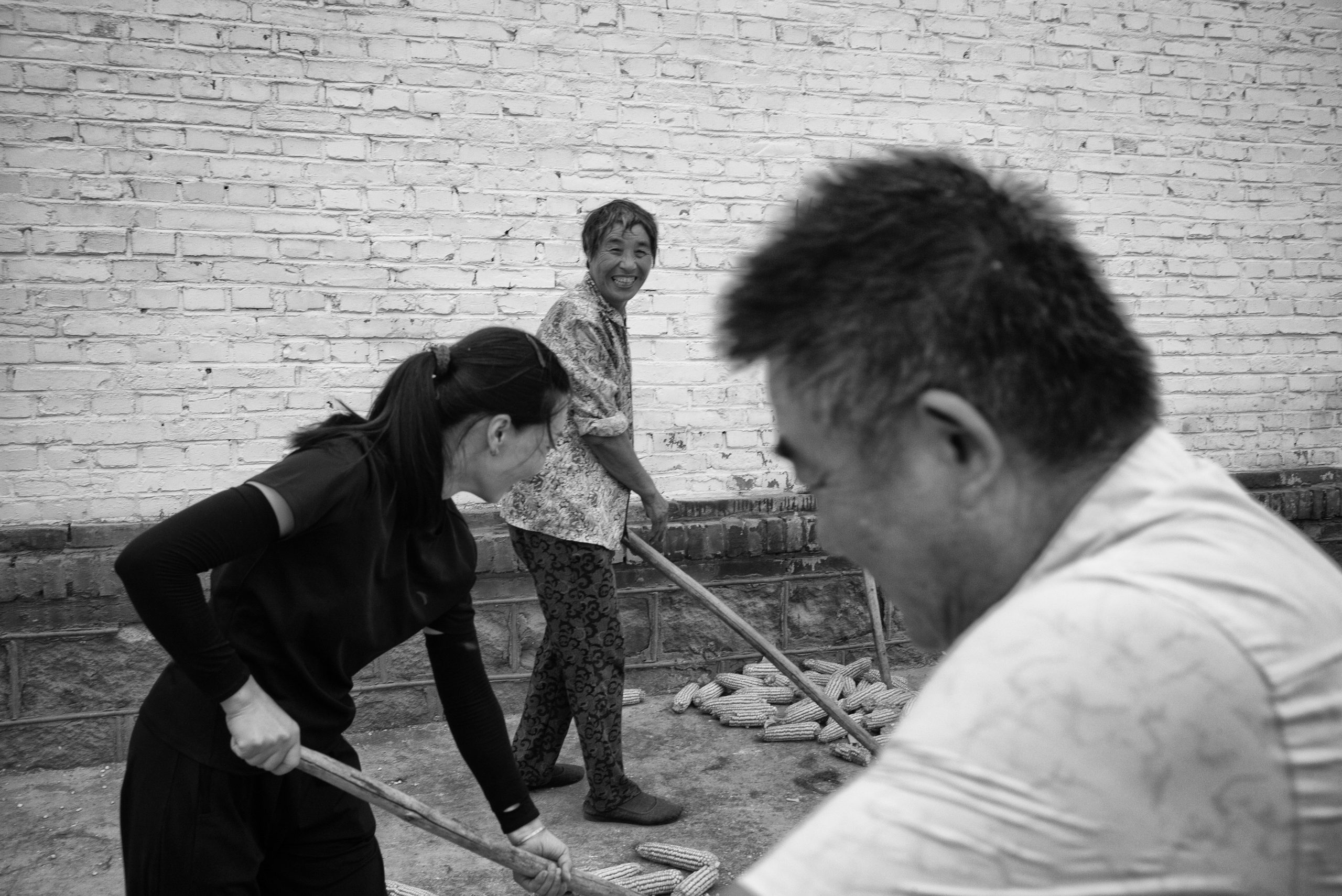
Where it all began
In the interior of Argentina, airports aren’t large structures or very busy, but you could say that Silvia was on the other side of the world from the place where I went to pick her up.
To give you an idea of the size of the space, needless to say that I heard her say my name from across the room. We had never met in person, but there wasn’t much chance that I could have been anyone else: there were only two or three other people having a drink at the bar, her flight wasn’t leaving for a few hours, and the ticket counters were still closed.
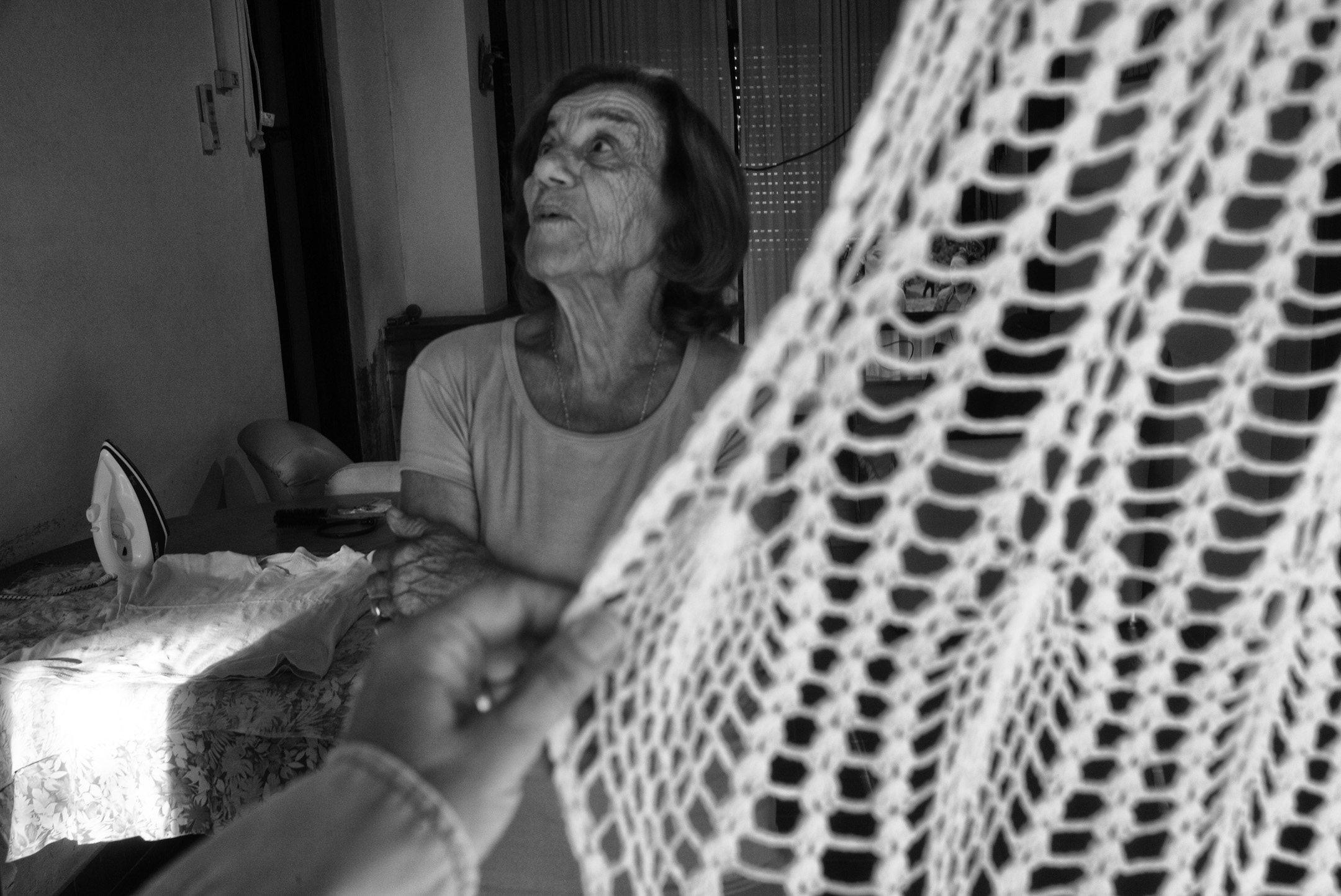
Regarding her trip to San Luis—not the final stop, but certainly the most recent one—she shares anecdotes that haven’t yet been written down, such as the story of an elderly woman from a town called Buena Esperanza who lost one of her daughters and started her own local radio station: she broadcasts a program from her home in which she keeps the local audience company and feels accompanied herself. “There’s no antipode of this place, but I can’t leave this story untold.”
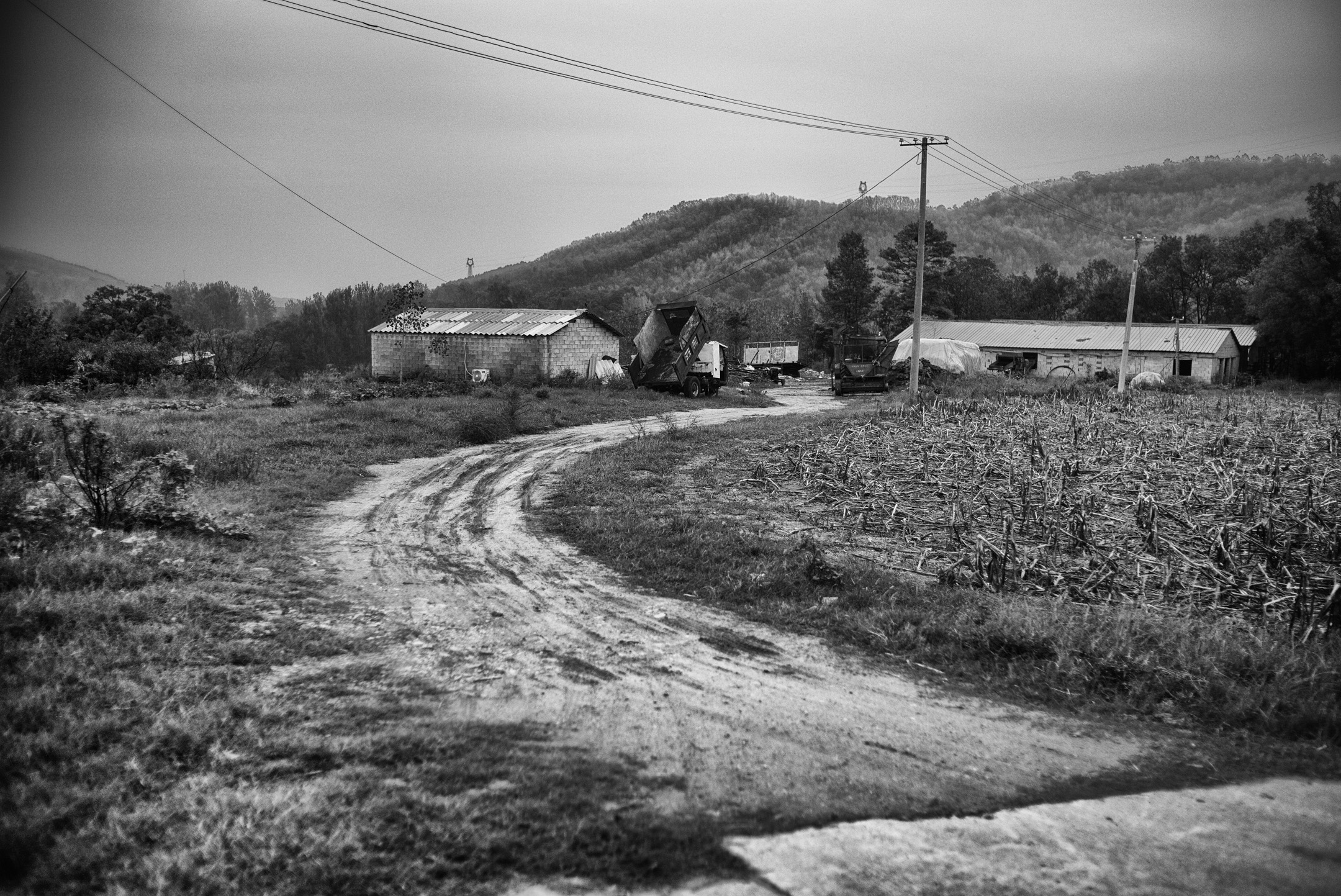
In addition to the hospitality of the people in the antipodal regions she visited, certain similarities in the landscapes and economic activities particularly caught her attention. “Although they are used for different purposes, both in San Luis and in its antipodal villages in China, I saw vast plantations—kilometers and kilometers of yellow grain drying in the sun.”
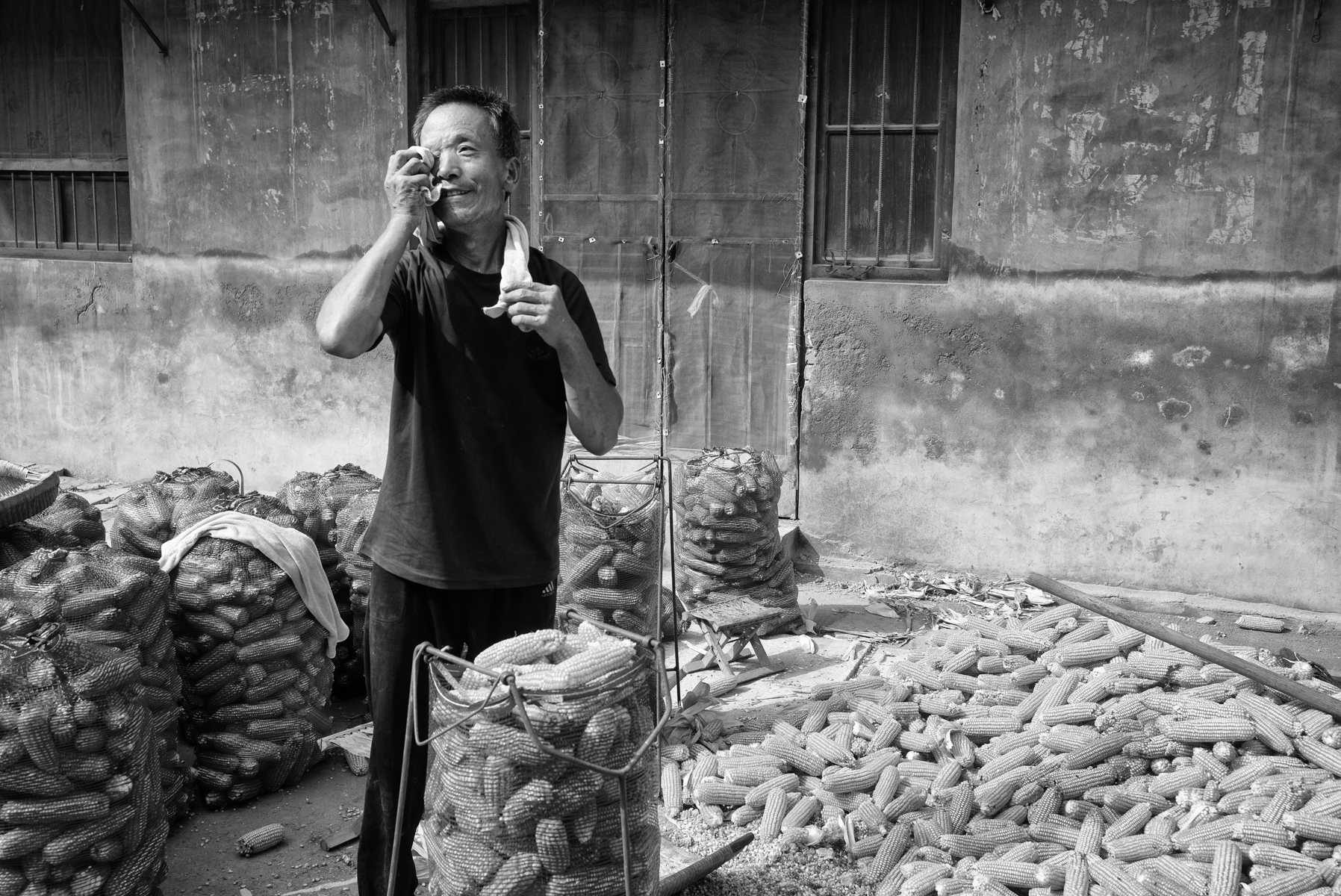
In addition to the hospitality of the people in the antipodal regions she visited, certain similarities in the landscapes and economic activities particularly caught her attention. “Although they are used for different purposes, both in San Luis and in its antipodal villages in China, I saw vast plantations—kilometers and kilometers of yellow grain drying in the sun.”
According to data from the Buenos Aires Grain Exchange, more than 1.5 million metric tons of grain had been harvested during the most recent winter in San Luis, at a rate of about 6,700 kilograms per hectare. For the same time of year during the summer in Henan, China, the province’s Department of Agriculture and Rural Affairs reported that approximately 58,807 square kilometers had been planted, representing 98% of the planned planting area.
Through other photography projects, Silvia has visited Iran, Pakistan, Turkey, Lebanon (where her ancestors are from), and Japan. She has a special connection to Japan: just as she first traveled to Keelung, Taiwan, in 2016 to visit the place where one of her friends was born, she began learning Japanese so she could converse with others. “I played tennis with Japanese women for fifteen years, and only now can I understand them better. ”
“During my two month-long stay in Japan, I wanted to explore a new approach to photography. At first, I felt overwhelmed by the sheer volume of visual and auditory stimuli around me. There was so much information that it was confusing,” she says.
This other project involved capturing stories and places with the camera, even if they weren’t on opposite sides of the globe. “To capture that feeling and show the visual contamination, I decided to use something ubiquitous in Japan: a piece of cloth (‘furoshiki’) that is used there to wrap gifts.” As she explains on her website, “it became a metaphor for the experience of the variety of sensory stimuli I encountered.”
To put these experiences into context, Silvia turns to language, literature, and experts who guide her on what and whom to read. She refers in particular to a book, *The Anatomy of Dependence* (1971), by the Japanese psychoanalyst Takeo Doi. “What’s interesting is that he traveled to the United States, studied Western psychology, and realized that this knowledge couldn’t fully explain social behavior in Japan, because in Japan there is no concept of ‘self’: everything is thought and done as part of a community.”
His idea of community immediately brings to mind another concept, coined by a scholar born nearly on the opposite side of the globe from San Luis, in China: Benedict Anderson’s concept of “Imagined Communities” (Reflections on the Origin and Spread of Nationalism, 1983). The author proposes a definition of a nation as an “imagined political community that is inherently limited and sovereign.”
That community is limited, he explains, because even the largest of them—with billions of inhabitants—has finite borders. And that leads to the first important observation about the antipodes and why they might challenge logic: “No nation can imagine itself on the scale of humanity.”
That “community that is inherently limited and sovereign”, Anderson continues, “because the concept was born in an age in which Enlightenment and Revolution were destroying the legitimacy of the divinely-ordained, hierarchical dynastic realm.” Nations were created in response to a potential threat.
Finally—and perhaps most importantly in this concept—is the fact that «It is imagined because the members of even the smallest nation will never know most of their fellow-members, meet them, or even hear of them, yet in the minds of each lives the image of their communion.” Why, then, does the idea of community develop among strangers who probably have nothing in common, even though they share the same nationality?
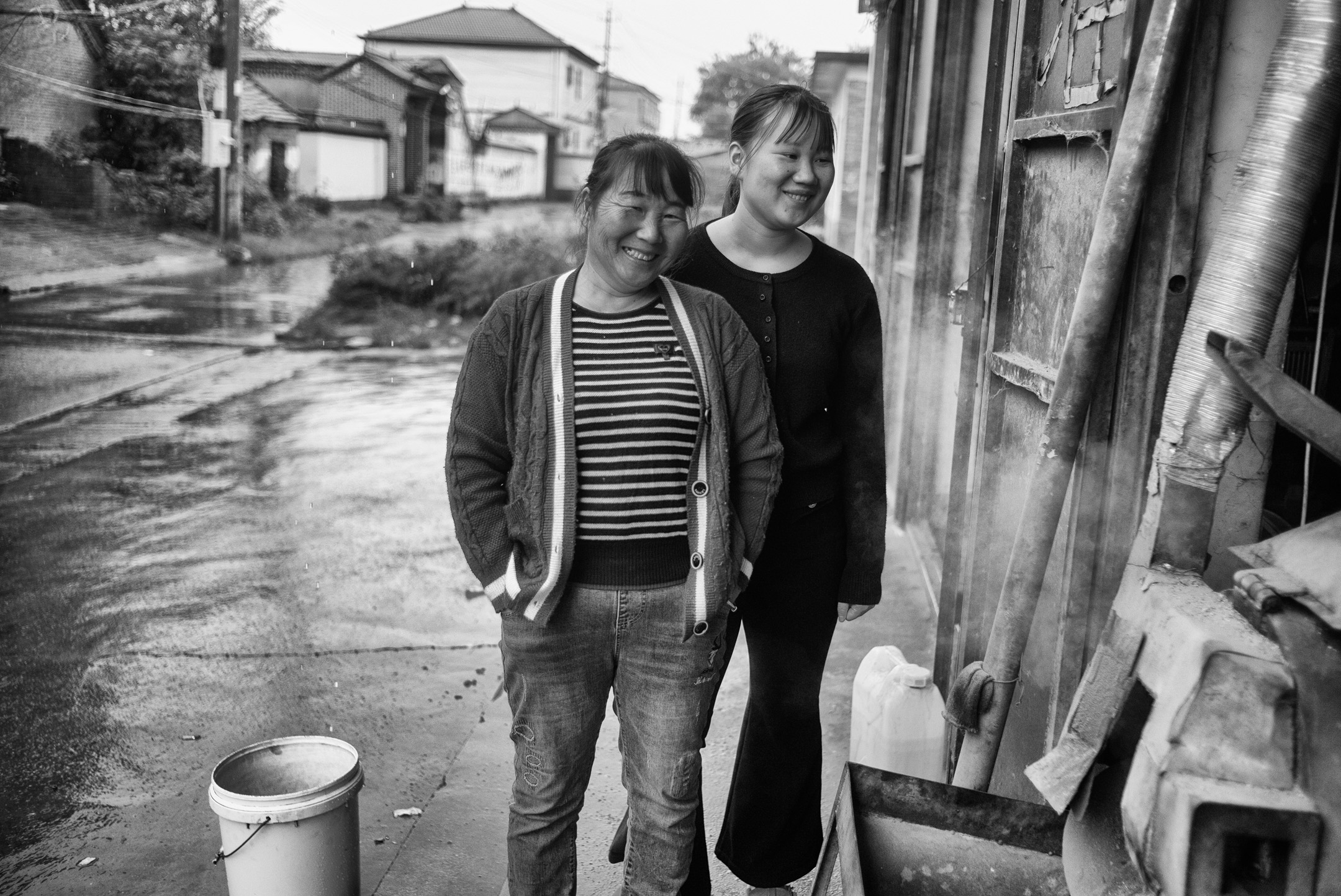
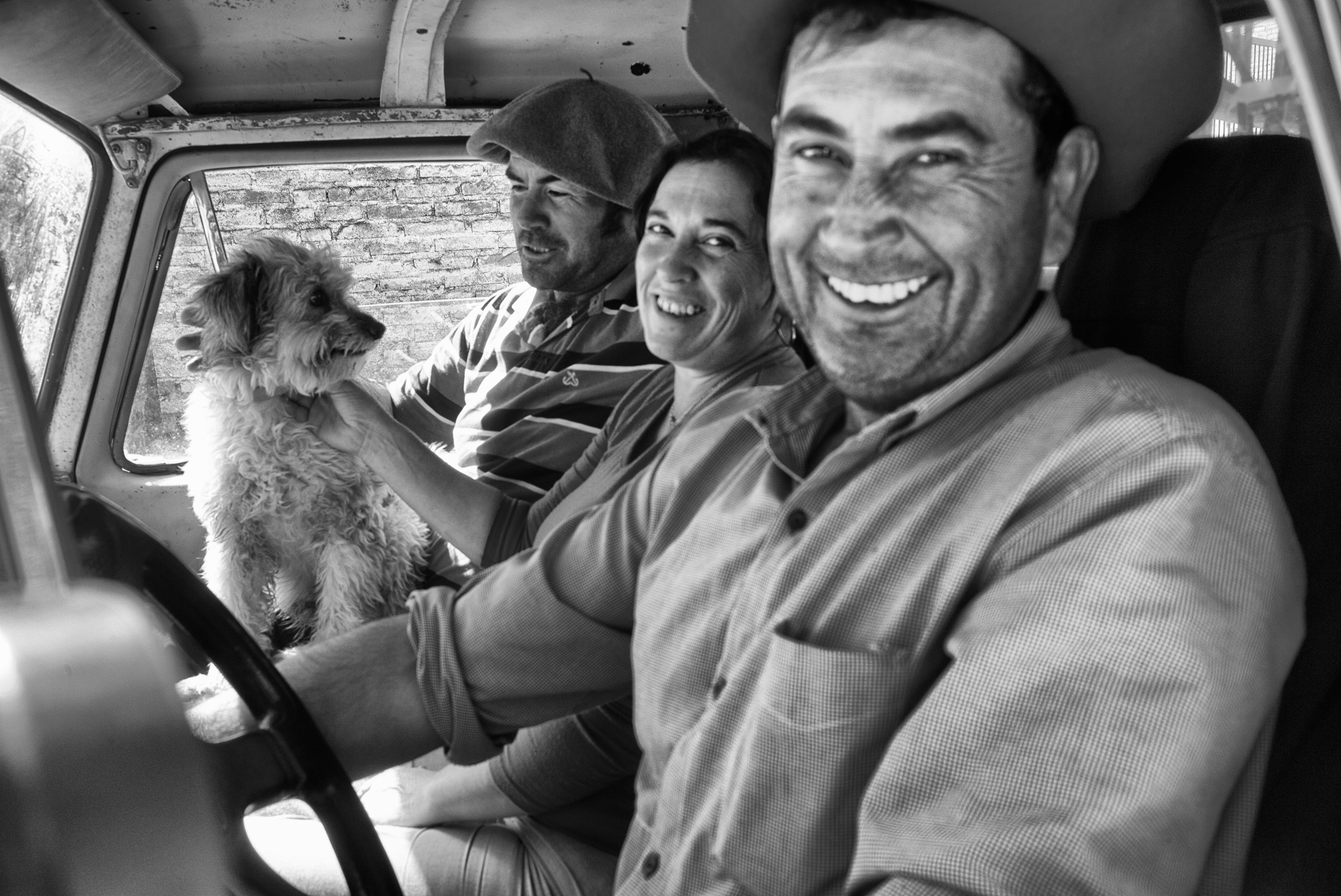
Anderson’s response is that the idea prevails because, regardless of the lack of a genuine community, or the inequality and exploitation that may exist within these political and social organizations, ”the nation is always conceived as a deep, horizontal comradeship.»
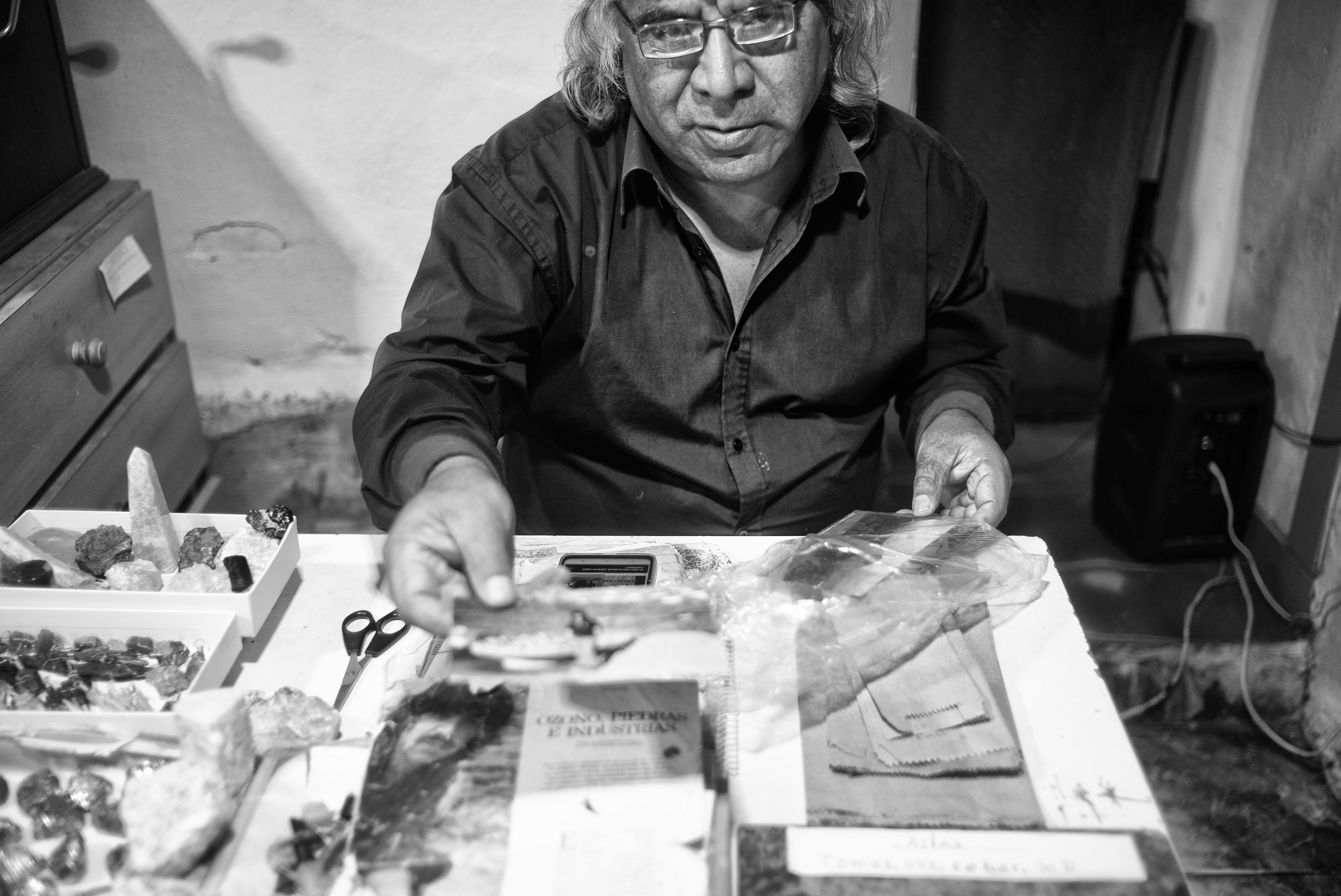
What has allowed Silvia to feel part of a community is engaging with these stories without clinging to that notion of imposed, boundary-defining fraternity that Anderson theorizes. “The only way to understand migrants or refugees is by listening to them, by telling their stories. You can’t understand them through numbers alone,” she explains about her work at Melissa. That’s what she does at that NGO, and every time she travels to the other side of the world, one family or person leads her to the next. In her first book, that active listening led her to meet José Cheng, a Taiwanese man who emigrated in 1976 and now lives in Laguna Naick Neck, Formosa, Argentina. Cheng and his family settled in the interior of the province thanks to the help of a Japanese man who advised them on which lands they could buy in the area. “The Japanese are like the Chinese; we’re practically of the same blood,” the man says in the book. Another challenge to the view of a society arbitrarily divided by borders.
The spontaneous brotherhood is precisely what emerges throughout these stories and the pages of Hagge’s book: humanity understood from the antipodes and as a whole.
Anderson, however, argues that the sense of brotherhood imposed by the mere fact of existing and belonging to a nation often leads in the opposite direction.
“That fraternity is what has enabled millions over the past two centuries to willingly die for limited imaginings.”